Laser Dentistry in Periodontics at IMEX Care Optional Novolase for Pre Planned Treatment

Gum treatment can sound simple until you realise how much it affects the rest of your dental plan. Bleeding gums, loose teeth, bad breath, deep pockets, bone loss, and gum swelling can change whether implants, crowns, bridges, or smile design will last well. That’s why periodontics matters so much, especially when you’re travelling to India for dental care and want your time used wisely.
At IMEX Care, periodontal treatment is planned around one basic idea: save healthy teeth and build a stable foundation before doing bigger work. Scaling, root cleaning, gum therapy, medication when needed, and maintenance still remain the backbone of care. When suitable, Novolase can be added as a laser-assisted option.
The key word is optional.
Novolase is available at IMEX Care when it’s pre planned, but it isn’t pushed into every case. Laser-assisted gum care can add cost, and the clinic’s approach is to keep dentistry affordable wherever possible. If the laser is likely to add value in your case, it can be discussed in advance, planned into the schedule, and added with clear consent.

Why periodontal care comes first in many dental travel plans
A lot of people fly in thinking mainly about crowns, implants, veneers, or full mouth rehabilitation. That’s understandable. Those are the visible parts of treatment. But gums and bone are the support system.
If the gums are inflamed, infected, or unstable, the final result can suffer. A crown margin may irritate swollen tissue. An implant may need healthier surrounding gums. A bridge may fail earlier if the supporting teeth are weak. Even a beautiful smile design won’t feel good if bleeding and tenderness continue underneath it.
Periodontics focuses on these support tissues:
Gums
Bone around the teeth
Ligaments that hold teeth in place
Soft tissue shape and healing
Gum pockets and infection control
For travellers, this matters even more because time is limited. A good plan might start with gum assessment before prosthetic or cosmetic work. Sometimes that means one visit for periodontal stabilisation, followed by final work during the same trip or a later trip, depending on severity.
At IMEX Care in Bengaluru, the goal is to make this planning practical. If gum treatment is simple, it may be completed quickly. If it’s more advanced, the team can explain the sequence before you travel so there are fewer surprises once you arrive.
What Novolase adds to periodontal treatment
Novolase is used in dentistry as a laser-assisted tool for selected soft tissue and gum procedures. In periodontics, it may be used alongside standard treatment, not as a replacement for basic cleaning and diagnosis.
A dental laser can help in areas such as:
Reducing bacterial load in periodontal pockets
Managing inflamed gum tissue
Supporting soft tissue reshaping where appropriate
Helping with certain minor gum procedures
Improving access and visibility in selected cases
Assisting healing conditions when used correctly
This is where Laser Dentistry fits in. It can be useful, but it has to be matched to the case. A laser doesn’t magically reverse severe bone loss. It doesn’t replace deep cleaning. It doesn’t remove the need for home care. It also doesn’t mean every gum problem needs a laser.
Think of it like adding a specialised tool to an already good toolkit. The dentist still needs diagnosis, X-rays when required, probing measurements, scaling, root surface cleaning, bite assessment, and a maintenance plan. Novolase may support that work in carefully selected situations.
Laser-assisted periodontal care works best when it’s part of a complete gum plan, not when it’s treated as a shortcut.
Why it’s optional at IMEX Care
Dental costs matter. For many people travelling to India, affordability is one of the main reasons they choose treatment here. India can offer strong clinical care at more accessible costs compared with many countries, but every add-on still affects the total budget.
That’s why IMEX Care keeps Novolase optional.
Laser equipment, training, maintenance, disposables, appointment time, and treatment planning all add cost. If a case can be managed well with conventional periodontal treatment, the clinic may not recommend adding laser therapy just for the sake of it.
This approach helps keep treatment fair. You can choose based on need, comfort, timing, and budget.
Novolase may be discussed if:
Gum pockets are deeper and need extra periodontal support
Tissue inflammation is significant
A soft tissue procedure is being planned
Healing comfort is a priority
The dentist feels laser assistance can improve case management
You’ve asked about laser-assisted treatment before planning your visit
It may not be needed if:
Gum inflammation is mild
Routine scaling is enough
The budget needs to stay focused on essential treatment
The clinical benefit is limited for your condition
There isn’t enough time to plan and consent properly
That honesty matters. Optional doesn’t mean unimportant. It means case-based.
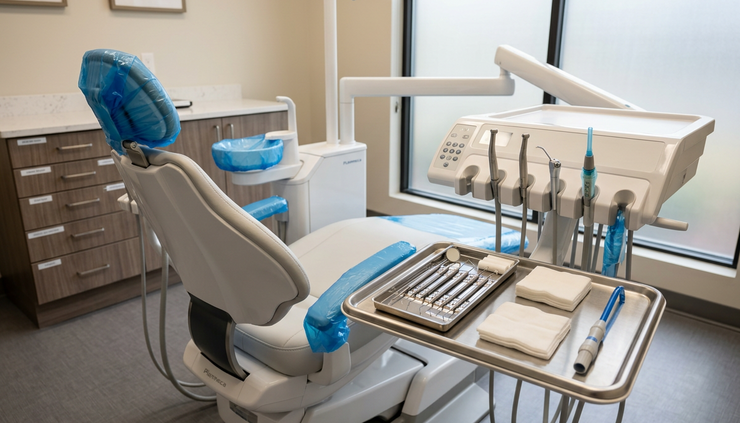
Pre planning is important if you want Novolase included
If you’re travelling to India, don’t leave laser-assisted treatment as a last-minute request. It may be available, but that doesn’t mean it can always be added instantly.
Pre planning helps with three things.
It helps the team decide whether it’s suitable
Before adding Novolase, the dentist needs to understand your gum condition. That may include:
Photos of your teeth and gums
Recent X-rays, if available
Any periodontal charting you already have
Medical history
Smoking history
Diabetes status
Current medications
Previous gum treatment
Your travel dates and treatment goals
This helps the team decide whether laser-assisted periodontal care is sensible or whether conventional care is enough.
It helps with appointment scheduling
Laser use may need specific appointment blocks. Some cases take longer. Some need sequencing with scaling, root planing, extractions, implants, or prosthetic work.
If it’s planned early, the team can build it into your schedule. That’s especially useful if you have a short stay in Bengaluru.
It helps you understand the cost before starting
Nobody likes cost surprises in a dental chair. Pre planning lets the clinic explain what’s essential, what’s optional, and where Novolase may fit. If keeping the budget lower is the priority, the plan can focus on core treatment first.
That’s the practical middle ground. The option is there, but it’s not forced.
Conventional periodontal treatment still does the heavy lifting
A good gum plan usually starts with assessment and cleaning. This can include scaling, root planing, polishing, local medication when needed, and follow-up checks. For many patients, this is the most important phase.
Here’s a simple way to understand the difference.
Treatment approach | What it usually includes | When it may fit |
Conventional periodontal care | Scaling, root surface cleaning, gum measurements, oral hygiene guidance, review | Most gum disease cases, especially mild to moderate inflammation |
Laser-assisted periodontal care with Novolase | Conventional care plus selected laser use for pockets or soft tissue needs | Planned cases where the dentist expects added value |
Surgical periodontal care | Flap procedures, grafting, reshaping, regenerative procedures where suitable | Advanced cases that need direct access or tissue correction |
Lasers can be helpful, but they don’t remove plaque and calculus by themselves in the way mechanical cleaning does. If hard deposits are stuck under the gums, they still need to be removed properly.
That’s why the best outcomes usually come from combining the right tools, not relying on one device.
Where Novolase may help in periodontics
Every case is different, but there are a few common periodontal situations where laser assistance may be discussed.
Deep gum pockets
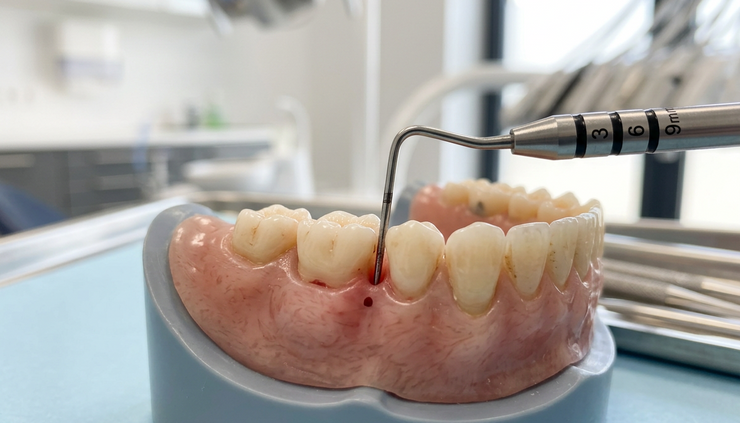
Deep pockets can trap bacteria and make cleaning difficult. After scaling and root planing, laser assistance may be used in selected pockets as part of bacterial reduction and tissue management.
This doesn’t mean the pocket will vanish overnight. Healing takes time, and pocket depth can depend on bone levels, inflammation, tooth anatomy, and home care.
Bleeding and inflamed gums
Inflamed tissue can be tender and reactive. In selected cases, laser-assisted treatment may help manage soft tissue response during periodontal therapy. The dentist will still look for the cause, often plaque, calculus, faulty restorations, poor margins, or medical factors.
Gum reshaping and soft tissue corrections
Some patients need small changes to gum tissue before crowns, bridges, veneers, or implant work. Novolase can sometimes help with soft tissue contouring when the case is suitable.
This can be useful when planning aesthetics, especially if gum height affects the smile line. But it must be done carefully. Gum tissue should not be shaped just for appearance if it compromises health.
Minor soft tissue procedures
Certain minor procedures involving gum tissue may be suitable for laser use. The exact plan depends on diagnosis, tissue thickness, location, medical history, and healing needs.
Your dentist should explain why it’s being suggested, what the alternatives are, and what recovery may look like.
What laser-assisted gum care feels like
Most people ask a very normal question: “Will it hurt?”
The honest answer is that comfort varies. Many laser-assisted gum procedures are well tolerated, but sensitivity depends on inflammation, pocket depth, the type of procedure, and your pain threshold. Local anaesthesia may be used where needed.
After treatment, you may have mild tenderness, warmth, or gum sensitivity. The dentist may suggest soft foods, careful brushing, warm saline rinses if appropriate, and follow-up instructions. If crowns, implants, or other dental work are planned, the team may time them around gum healing.
Travellers should also plan meals and rest realistically. Bengaluru has plenty of food options, but after periodontal treatment, it’s smart to avoid spicy, hard, or very hot foods for a short period if your dentist advises it.
Who may be a good candidate
Novolase may be considered for patients who want periodontal care with an added laser option and have planned it before arriving. It may be especially relevant if gum treatment is already part of the larger dental plan.
You may be a suitable candidate if you have:
Moderate gum inflammation or pockets
Bleeding gums that need periodontal treatment
A history of gum disease
Soft tissue needs before crowns or implants
A desire to include laser-assisted care after understanding the added cost
Enough time in your travel schedule for planning and review
You may need extra caution if you have:
Uncontrolled diabetes
Heavy smoking habits
Certain bleeding conditions
Medications that affect healing
Advanced periodontal bone loss
Unrealistic expectations about what laser treatment can do
Medical history matters. Gum treatment isn’t just about the mouth. Blood sugar, immune health, smoking, stress, and daily cleaning habits all affect healing.
How IMEX Care may plan periodontal treatment for dental travellers
A practical plan often starts before the flight. Sharing records early can save time, especially if you’re coming for multiple treatments.
A typical planning flow may look like this:
Initial remote discussion
You share your concerns, photos, X-rays if available, medical history, and travel dates.
Preliminary treatment direction
The team gives a broad idea of whether gum therapy, laser-assisted options, implants, crowns, or other care may be involved.
Arrival and clinical examination
The dentist checks gum pockets, tooth mobility, bite, existing restorations, and X-rays as needed.
Periodontal stabilisation
Scaling, root planing, medication, Novolase if pre planned and suitable, or other gum treatment may be completed.
Review and next treatment phase
Once gums are stable enough, the team can move ahead with crowns, bridges, implants, or cosmetic work if planned.
Maintenance advice for home
You’ll need a cleaning routine, follow-up guidance, and a plan with your local dentist after returning home.
This is especially useful for full mouth cases. If the gums need attention, it’s better to know early than to rush into final restorations.
Cost, affordability, and making the right choice
IMEX Care’s position is simple: laser-assisted periodontal care should be available, but not treated as compulsory. That’s a good thing.
When clinics make every advanced tool sound mandatory, patients can feel trapped. When clinics never offer advanced options, patients may miss something useful. The balanced approach is to explain what’s essential and what’s optional.
For many people, the essential parts are:
Diagnosis
X-rays where required
Scaling and root planing
Infection control
Home care instruction
Follow-up planning
The optional parts may include:
Novolase-assisted periodontal therapy
Extra aesthetic gum contouring
Certain soft tissue refinements
Additional comfort-focused steps
If your budget is tight, start with what protects your teeth and gums. If your case can benefit from laser assistance and you’re comfortable with the added expense, plan it in advance.
Either way, the decision should be clear before treatment starts.

What to ask before choosing Novolase
Before saying yes to laser-assisted periodontal treatment, ask direct questions. A good clinic won’t mind.
Helpful questions include:
What is my gum diagnosis?
Which areas need periodontal treatment?
Is Novolase essential or optional in my case?
What benefit do you expect from adding it?
What would the plan look like without it?
How much extra time does it need?
How does it affect the cost?
Will I need anaesthesia?
What should I expect after treatment?
How soon can I continue with crowns, implants, or other work?
These questions keep the focus on your actual mouth, not on the device.
A realistic way to think about results
Laser-assisted periodontal care can be a helpful part of treatment, but results still depend on the basics. Gum disease is chronic for many people. It can improve and stabilise, but it needs maintenance.
Good outcomes depend on:
Proper cleaning under the gums
Daily brushing and interdental cleaning
Regular maintenance visits
Managing diabetes or other health conditions
Stopping or reducing smoking
Correcting plaque traps and poor restorations
Following review advice after returning home
If you’re travelling for dental treatment, ask for written instructions before you leave India. Keep records of what was done. Share them with your local dentist or hygienist when you’re back home.
That continuity matters more than any single appointment.
This article is for general information only and isn’t a substitute for a clinical examination or personalised dental advice.
The takeaway
Novolase at IMEX Care gives patients another option in periodontal care, especially when gum health is part of a bigger dental treatment plan. It can support selected treatments, but it isn’t automatically required for everyone.
That’s the balance that matters: affordable dentistry first, advanced options when they truly fit.
If you’re planning to travel to India for dental treatment and you’re curious about laser-assisted gum care, raise it before your trip. Share your records, ask whether it fits your case, and get the cost discussed in advance. Then you can choose Novolase because it makes sense, not because you felt pressured in the chair.


Comments